
 ★ 7.1
TV-Video
A doctor on the run for a murder he swears a one-armed man committed, agents whose orders self-destruct in five seconds, a starship crew that boldly went on television first, twelve jurors in one hot room. This guide gathers 156 films made from television series on twelve shelves: comedy, with the American sitcoms, British TV comedy, the sketch shows and the cartoon series; action and science fiction, with the spies and missions, the cops, heroes and westerns, the science fiction series and the anime series; and family, drama and the strange, with children's television, the teleplays of the golden age, the drama series and the strange and the spooky, with synopses, cast and where to watch.
The channel guide
American sitcomsAmerican sitcoms
Tune in (13)★ 7.1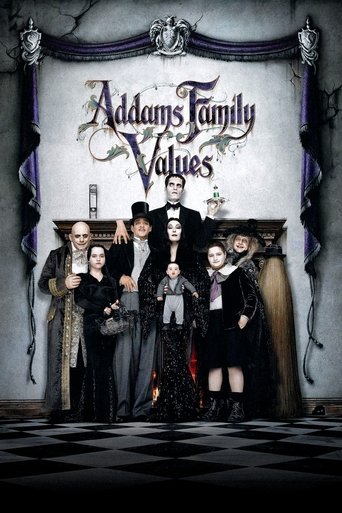 ★ 7.0
 ★ 5.4
 ★ 6.5
 ★ 6.0
 ★ 5.1
 ★ 6.2
 ★ 7.2
 ★ 6.3
 ★ 6.1
 ★ 5.6
 ★ 5.4
British TV comedyBritish TV comedy
Tune in (13)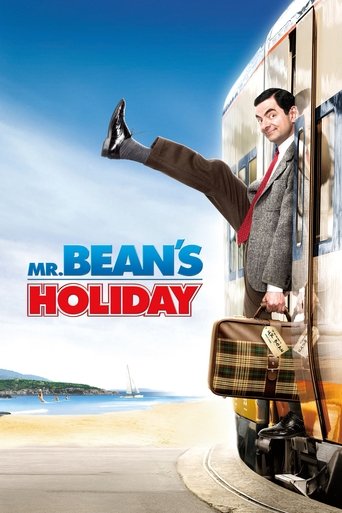 ★ 6.4
 ★ 6.5
 ★ 6.1
 ★ 6.2
 ★ 6.1
 ★ 6.6
 ★ 5.3
 ★ 5.0
 ★ 5.0
 ★ 5.8
 ★ 5.0
 ★ 5.4
Sketch showsSketch shows
Tune in (13) ★ 7.8
 ★ 6.8
 ★ 7.8
 ★ 7.7
 ★ 6.7
 ★ 7.3
 ★ 5.7
 ★ 6.3
 ★ 6.1
 ★ 5.5
 ★ 6.6
 ★ 5.3
Cartoon seriesCartoon series
Tune in (13)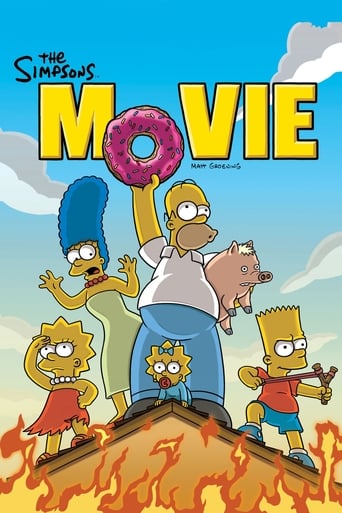 ★ 7.0
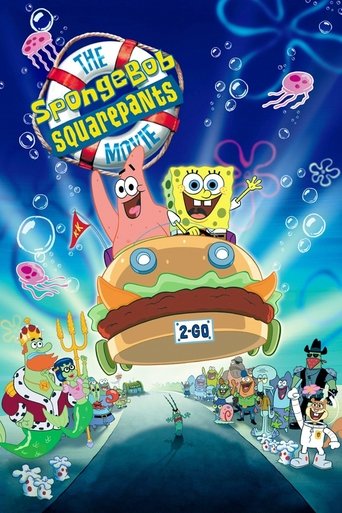 ★ 7.1
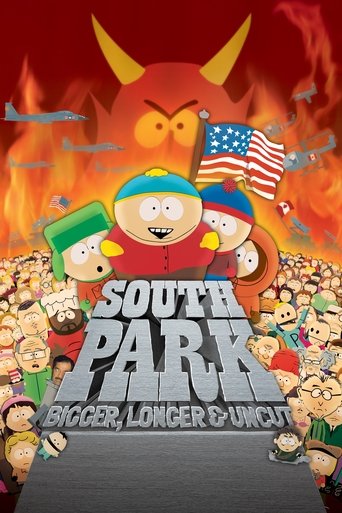 ★ 7.3
 ★ 6.7
 ★ 6.1
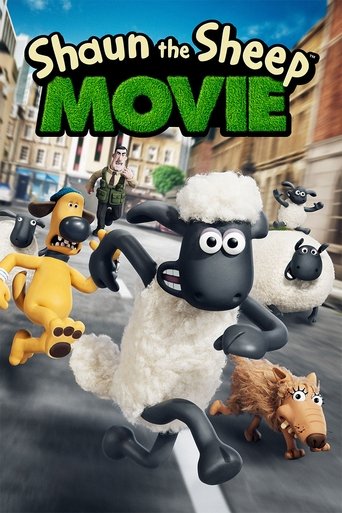 ★ 7.0
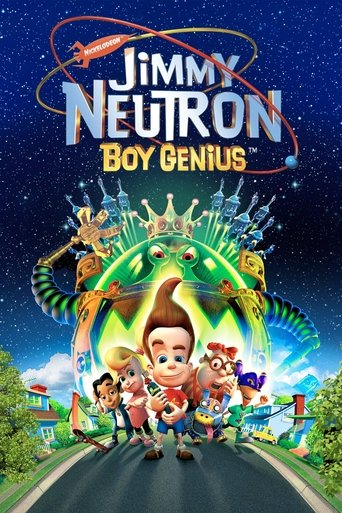 ★ 6.1
 ★ 6.7
 ★ 6.3
 ★ 7.1
 ★ 6.9
 ★ 6.5
Spies and missionsSpies and missions
Tune in (13)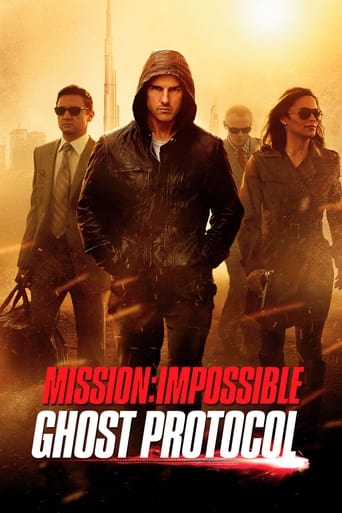 ★ 7.1
 ★ 7.0
 ★ 7.2
 ★ 7.5
 ★ 6.8
 ★ 6.1
 ★ 7.1
 ★ 7.5
 ★ 5.9
 ★ 6.2
 ★ 5.5
 ★ 7.2
Cops, heroes and westernsCops, heroes and westerns
Tune in (13)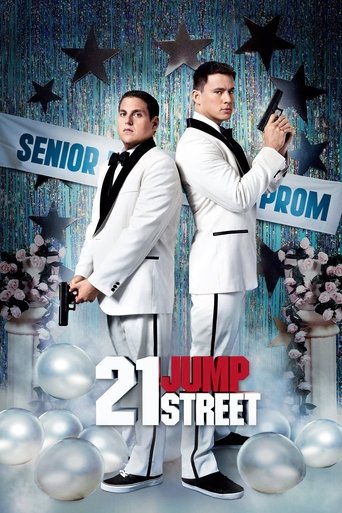 ★ 6.9
 ★ 7.3
 ★ 6.8
 ★ 6.1
 ★ 7.8
 ★ 6.1
 ★ 6.8
 ★ 6.4
 ★ 7.5
 ★ 7.3
 ★ 5.3
 ★ 6.2
Science fiction seriesScience fiction series
Tune in (13)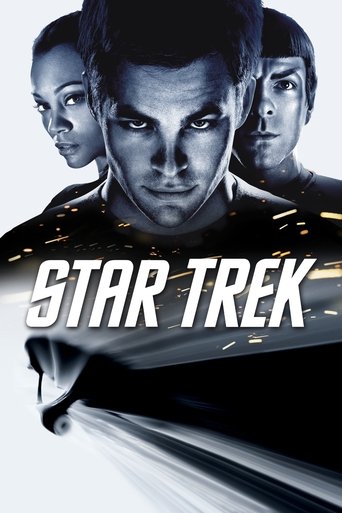 ★ 7.4
 ★ 7.3
 ★ 6.8
 ★ 7.4
 ★ 7.5
 ★ 7.3
 ★ 6.5
 ★ 7.2
 ★ 6.6
 ★ 5.4
 ★ 7.2
 ★ 5.1
Anime seriesAnime series
Tune in (13) ★ 8.2
 ★ 8.0
 ★ 8.3
 ★ 8.1
 ★ 8.5
 ★ 7.5
 ★ 7.2
 ★ 7.9
 ★ 7.7
 ★ 7.2
 ★ 7.8
 ★ 7.8
Children's televisionChildren's television
Tune in (13) ★ 6.1
 ★ 6.2
 ★ 6.1
 ★ 6.6
 ★ 6.6
 ★ 6.7
 ★ 7.0
 ★ 4.5
 ★ 6.3
 ★ 7.3
 ★ 5.6
 ★ 5.9
Teleplays of the golden ageTeleplays of the golden age
Tune in (13)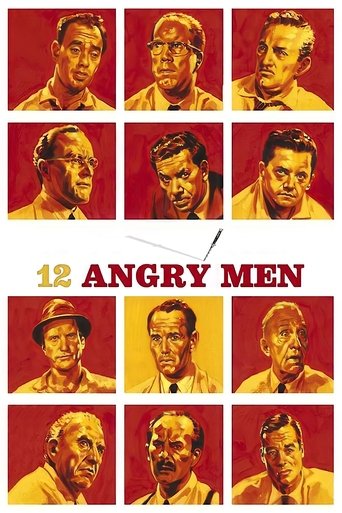 ★ 8.6
 ★ 8.0
 ★ 7.5
 ★ 7.9
 ★ 7.5
 ★ 7.2
 ★ 6.1
 ★ 7.1
 ★ 7.2
 ★ 7.3
 ★ 6.9
 ★ 7.2
Drama seriesDrama series
Tune in (13)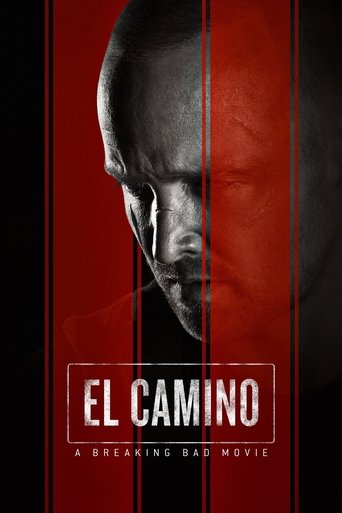 ★ 7.1
 ★ 7.1
 ★ 7.8
 ★ 6.8
 ★ 6.5
 ★ 7.2
 ★ 7.2
 ★ 6.6
 ★ 6.6
 ★ 7.2
 ★ 6.3
 ★ 7.2
The strange and the spookyThe strange and the spooky
Tune in (13)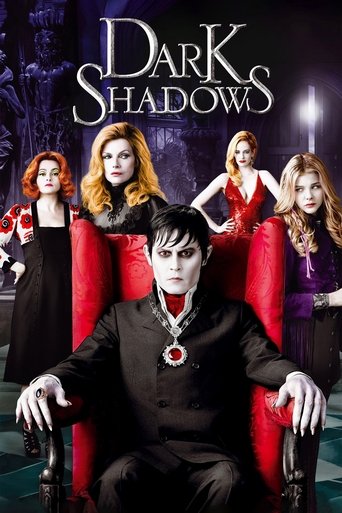 ★ 6.1
 ★ 7.4
 ★ 6.9
 ★ 5.9
 ★ 6.5
 ★ 6.9
 ★ 6.2
 ★ 6.0
 ★ 6.5
 ★ 6.6
 ★ 6.4
 ★ 6.6
The TV-Video guide
The TV-Video guide: from the small screen to the big screen
From the small screen to the big screen
TV-Video is an English guide to 156 films made from television series. Each of them began on the small screen, as a sitcom, a sketch show, a cartoon, a police series, a space opera, an anime or a live play of the 1950s, and then crossed over to the cinema, sometimes to close a story, sometimes to start a new one, and sometimes to tell the same story again with new stars and a bigger budget. The films sit on twelve shelves of thirteen, grouped in three families: comedy; action and science fiction; and family, drama and the strange. Every film has an English synopsis, the cast, the director, the genres and a Watch now button that opens it on JustWatch, which shows where it can be watched in your country.
The guide runs from 1955 to 2026, from the teleplays of the golden age, when the dramas of live television became films with new casts, to the anime films that continue the great series of Japan and the drama series that close their stories on the big screen. Its 156 films carry about 405,800 votes on TMDB. The most voted is 21 Jump Street, of 2012, the comedy that turned a police series of the 1980s into a buddy film with Jonah Hill and Channing Tatum, followed by two missions of Tom Cruise and the Star Trek of J.J. Abrams; the best rated is 12 Angry Men, of 1957, the jury drama that Reginald Rose first wrote for live television. The guide Start with TV-Video gives a first route through the shelves.
A film made from a series is a strange creature. It has to please the viewers who know every episode and the viewers who come to it fresh, and it has to fit into two hours what the series told in many seasons. Some of the films of the guide are better known than their series: few viewers today have seen the episodes of The Untouchables or The Fugitive, but the films of Brian De Palma and Andrew Davis are classics. Others are love letters for the fans, like the films of Downton Abbey, the return of Veronica Mars or El Camino, the epilogue of Breaking Bad. The guide From TV to film follows the history of the crossing.
The name and the look
The name TV-Video joins the two screens of the guide, the television set and the video of the cinema film, and the look of the site borrows from the old television. The Wayback Machine holds tvvideo.com from 2002 as a page of casino adverts, then as a domain for sale and a parked page, tvvideo.net as an almost empty page and tvvideo.tv as a parked page, all far from a film site; the design of TV-Video is original. The page is light, like a magazine of TV listings; the header is the near-black of a switched-off picture tube, edged with a strip of the colour bars of a test card, grey, yellow, cyan, green, magenta, red and blue; the logo is an old television set with two antennas and the colour bars on its screen.
The introduction sits on a white card with the rounded corners of a picture tube, and the twelve shelves form a board called The channel guide, numbered from CH 01 to CH 12 in three columns, one per family: red for comedy, blue for action and science fiction, and green for family, drama and the strange. Each shelf sits on a white panel under a black rule, with a Tune in button that opens the full shelf. The guide The look of TV-Video explains each colour.
How the channels work
The films of the guide were chosen by hand from TMDB. Each one had to come from a television series, or from a play first written for television, or to continue a series, in the same story or in a new one. Films that come from a book, a comic or a toy first, and only later had a series, were left on the shelf of their source, outside this guide, so that the 101 Dalmatians or the Teenage Mutant Ninja Turtles are absent, and the films of Scooby-Doo, Power Rangers and the Flintstones, which all began on television, are here. Each film sits on a single shelf, and each shelf holds the thirteen most voted films of its kind, with an English synopsis on TMDB.
The twelve shelves are the American sitcoms, British TV comedy, the sketch shows and the cartoon series for comedy; the spies and missions, the cops, heroes and westerns, the science fiction series and the anime series for action and science fiction; and children's television, the teleplays of the golden age, the drama series and the strange and the spooky for the third family. The three families each hold 52 films. The guide How the channels work sums up the rules.
From TV to film
The crossing from television to cinema is almost as old as television itself. In the 1950s the live dramas of American television, written for programmes such as the Philco Television Playhouse, Kraft Television Theatre and Studio One, were so admired that Hollywood bought them and filmed them again: Marty, of 1955, by Paddy Chayefsky, became the first film from a teleplay to win the Academy Award for best picture, and the jury drama 12 Angry Men followed two years later. In Britain the serials of Nigel Kneale for the BBC became the Quatermass films of Hammer, and in the 1960s and 1970s the sitcoms of the BBC and ITV went to the cinema one after another, from Dad's Army to On the Buses.
In the late 1970s the crossing changed direction. Star Trek, cancelled after three seasons, came back as a series of films from 1979; The Muppet Show became The Muppet Movie the same year, and the comedians of Monty Python and Saturday Night Live made films of their sketches. The 1990s brought the remake of the old series: The Fugitive, The Addams Family, The Brady Bunch, Mission: Impossible, Lost in Space and The Avengers, often with a wink at the viewers who had watched them as children. Since 2000 the films of the guide have taken every form, from the comedies of 21 Jump Street to the epilogues of drama series, the films of anime series that fill the cinemas of Japan and the films that continue a series of streaming, from El Camino to Peaky Blinders: The Immortal Man, of 2026, the newest film of the guide.
Comedy
The first family, Comedy, holds the films of the American sitcoms, British TV comedy, the sketch shows and the cartoon series. Its 52 films carry about 93,600 votes, and its most voted are The Simpsons Movie, Monty Python and the Holy Grail, the Borat of Sacha Baron Cohen and The Addams Family. The guide Comedy sums up the family.
American sitcoms
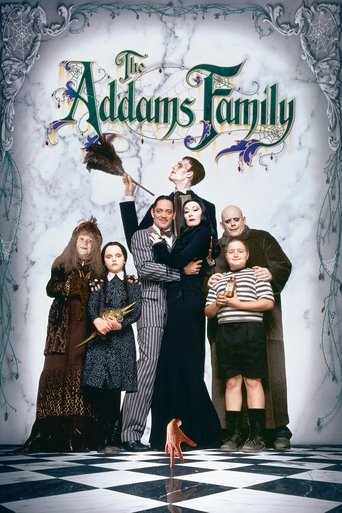
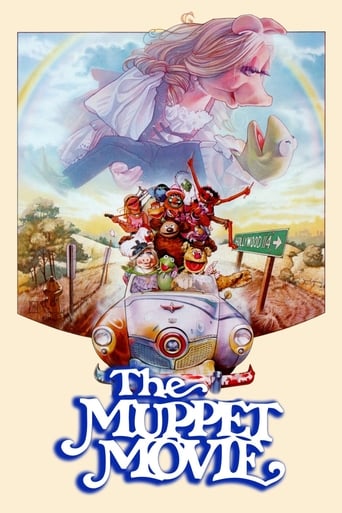
The shelf American sitcoms holds thirteen films from 1979 to 2022 made from the sitcoms of American television. Its most voted film is The Addams Family, of 1991, by Barry Sonnenfeld, with Raúl Juliá as Gomez and Anjelica Huston as Morticia, the strange and loving family of the series of 1964, itself drawn from the cartoons of Charles Addams; its sequel Addams Family Values, of 1993, by the same director, sends Wednesday and Pugsley to a summer camp. They are rated 7.1 and 7.0, second only to The Muppet Movie, of 1979, by James Frawley, the road trip of Kermit and his friends to Hollywood, rated 7.2, the oldest film of the shelf, made from The Muppet Show of Jim Henson.
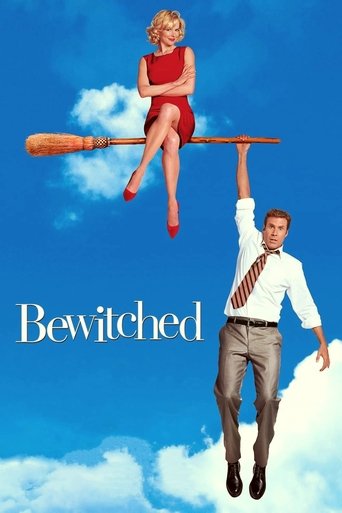
The 1990s remade the sitcoms of the 1950s and 1960s, often with irony. The Flintstones, of 1994, with John Goodman as Fred, turned the cartoon of the Stone Age into live action; The Beverly Hillbillies, of 1993, by Penelope Spheeris, sent Jim Varney as Jed Clampett to Beverly Hills; The Brady Bunch Movie, of 1995, set the family of the 1970s, with Shelley Long and Gary Cole, in the Los Angeles of the 1990s, and Leave It to Beaver, of 1997, and McHale's Navy, of 1997, with Tom Arnold, completed the decade. Bewitched, of 2005, by Nora Ephron, made a film about a remake: Nicole Kidman is a real witch who is cast as Samantha in a new version of the series, opposite Will Ferrell.
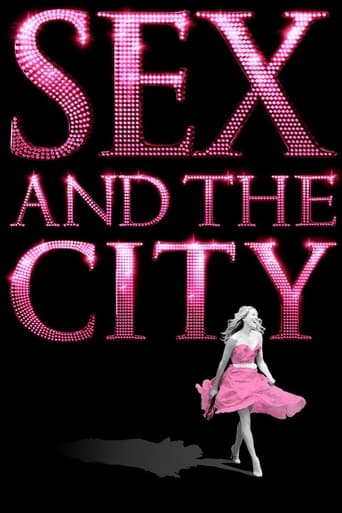
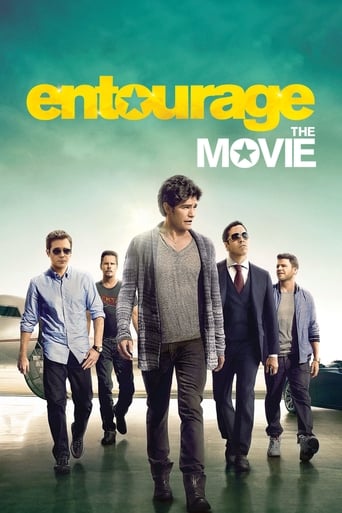
The series of HBO went to the cinema with their own casts. Sex and the City, of 2008, by Michael Patrick King, with Sarah Jessica Parker, Kim Cattrall, Kristin Davis and Cynthia Nixon, the four friends of Manhattan four years after the end of the series, is the most voted of the two films of the shelf, ahead of Sex and the City 2, of 2010, which sends them to Abu Dhabi; both last 146 minutes, the longest of the shelf. Entourage, of 2015, by Doug Ellin, follows the actor Vincent Chase and his friends into his first film as a director. The Munsters, of 2022, by Rob Zombie, the newest film of the shelf, tells how Herman and Lily met in Transylvania. The guide Sitcoms on the big screen follows the shelf.
British TV comedy
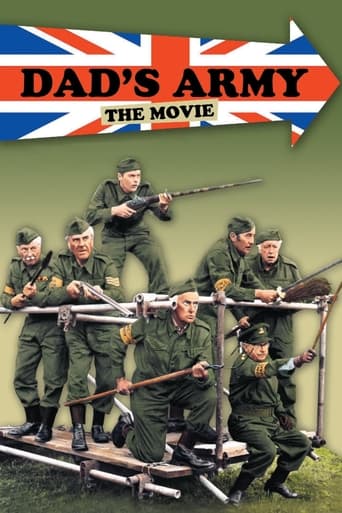
The shelf British TV comedy holds thirteen films from 1971 to 2016 made from the comedies of British television, and two traditions meet on it. The first is the film of the classic sitcom, made in the 1970s with the cast of the series: Dad's Army, of 1971, by Norman Cohen, with Arthur Lowe as Captain Mainwaring and John Le Mesurier as Sergeant Wilson, the Home Guard of a seaside town of the Second World War, and Are You Being Served? The Movie, of 1977, which takes the staff of the department store of Grace Brothers, with John Inman and Mollie Sugden, on holiday to the Costa Plonka. The story of the Home Guard came back to the cinema in 2016, with Toby Jones as Mainwaring, Bill Nighy as Wilson and Catherine Zeta-Jones as a journalist, so that Dad's Army appears twice on the shelf.
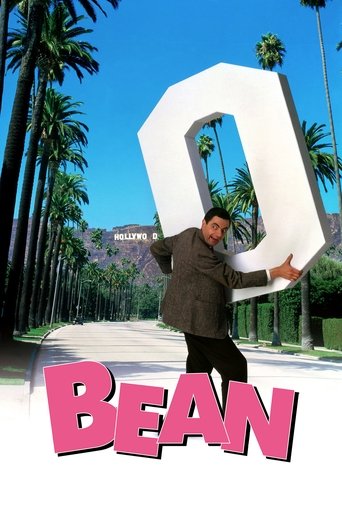
The second tradition is Rowan Atkinson. His Mr. Bean, the almost silent man of the series of 1990, gives the shelf its two most voted films: Mr. Bean's Holiday, of 2007, a trip across France to the beach of Cannes with Willem Dafoe as a vain director, with about 3,200 votes, and Bean, of 1997, by Mel Smith, in which Bean is sent to Los Angeles as an expert of art, rated 6.5, second on the shelf only to Alan Partridge: Alpha Papa, of 2013, by Declan Lowney, rated 6.6, in which the radio presenter of Steve Coogan is caught in a siege at his own station in Norwich.
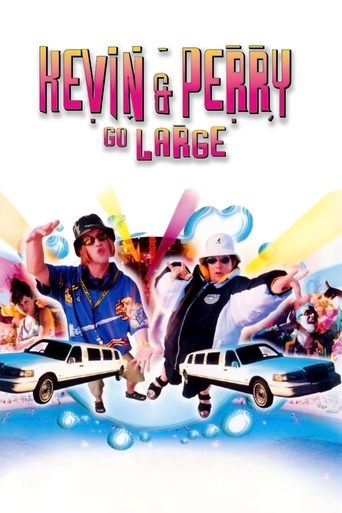
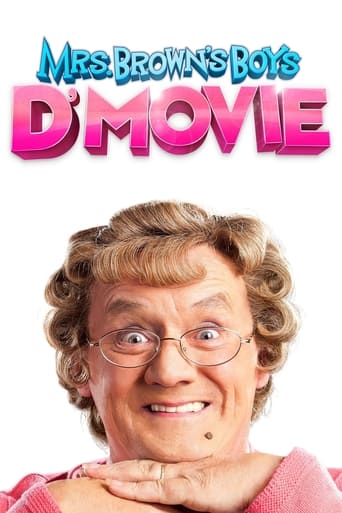
The comedies of the new century complete the shelf. The Inbetweeners Movie, of 2011, by Ben Palmer, sends the four awkward schoolboys of the series of E4, with Simon Bird and James Buckley, on holiday to Crete, and The Inbetweeners 2, of 2014, to Australia. Ali G Indahouse, of 2002, takes the character of Sacha Baron Cohen from his show to Parliament; Absolutely Fabulous: The Movie, of 2016, sends Jennifer Saunders and Joanna Lumley to the Riviera; The Bad Education Movie, of 2015, takes the worst teacher of Jack Whitehall to Cornwall, and Kevin & Perry Go Large, of 2000, sends the two teenagers of the sketches of Harry Enfield and Kathy Burke to Ibiza. The Irish Mrs. Brown's Boys D'Movie, of 2014, with Brendan O'Carroll as the mother of Dublin who fights to save her stall at the market, closes the shelf. The guide British comedy follows the shelf.
Sketch shows
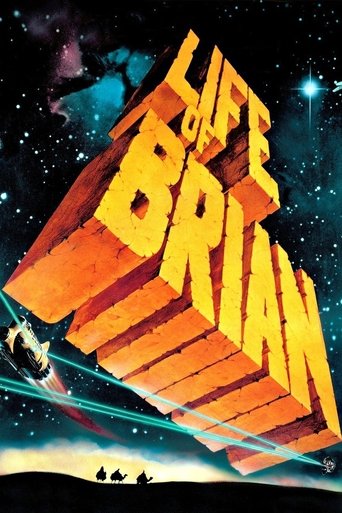
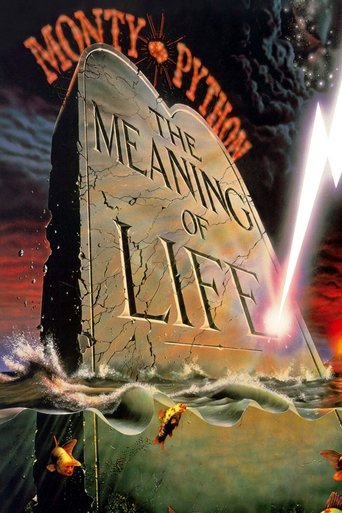
The shelf Sketch shows holds thirteen films from 1975 to 2010 made from the comedians and characters of the sketch shows, and with an average of 6.53 it is the second best rated shelf of the comedy family, after the cartoon series. Monty Python has three of them, all with Graham Chapman, John Cleese, Terry Gilliam, Eric Idle, Terry Jones and Michael Palin, the six members of the troupe of Flying Circus, the series of the BBC of 1969: Monty Python and the Holy Grail, of 1975, by Terry Gilliam and Terry Jones, the quest of King Arthur and his knights with coconuts for horses, the most voted film of the shelf, with about 6,700 votes, and with Life of Brian, of 1979, by Terry Jones, the man born in the stable next door to Jesus, the best rated, both at 7.8. Monty Python's The Meaning of Life, of 1983, the third, follows the stages of a life from birth to death, rated 7.3.
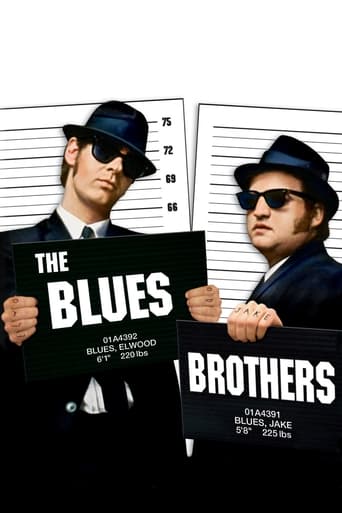
Saturday Night Live, the sketch show of NBC since 1975, gives the shelf its most films. The Blues Brothers, of 1980, by John Landis, with John Belushi and Dan Aykroyd as two brothers on a mission from God to save their orphanage, with Aretha Franklin, Ray Charles and James Brown, is rated 7.7, and its sequel Blues Brothers 2000, of 1998, by the same director, brings Aykroyd back with John Goodman. Wayne's World, of 1992, by Penelope Spheeris, with Mike Myers and Dana Carvey as two friends who host a show from a basement of Illinois, had a sequel the next year; Coneheads, of 1993, sends Aykroyd and Jane Curtin as aliens with pointed heads to the suburbs of New Jersey; A Night at the Roxbury, of 1998, follows two brothers, Will Ferrell and Chris Kattan, into the clubs of Los Angeles, and MacGruber, of 2010, with Will Forte, turns a parody of a hero of the 1980s into an action comedy.
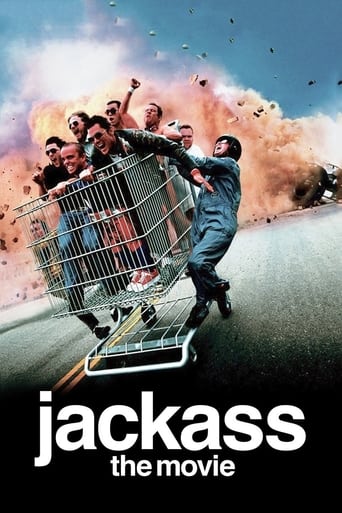
The characters of Sacha Baron Cohen and the stunts of MTV complete the shelf. The Borat of 2006, by Larry Charles, with its long title about the cultural learnings of America, sends the reporter from Kazakhstan of the Da Ali G Show across the United States, the second most voted of the shelf with about 6,200 votes, and Brüno, of 2009, by the same director, follows the fashion reporter from Austria of the same show. Jackass: The Movie, of 2002, by Jeff Tremaine, takes Johnny Knoxville and his friends from the series of MTV to the big screen with their stunts. The guide The sketch show film follows the shelf.
Cartoon series
The shelf Cartoon series holds thirteen films from 1996 to 2022 made from the animated series of television, and it is the best rated shelf of the comedy family, with an average of 6.73. Its most voted film is The Simpsons Movie, of 2007, by David Silverman, eighteen years after the first episode of the series of Matt Groening, in which Homer pollutes the lake of Springfield and the town is sealed under a glass dome, with about 8,800 votes, rated 7.0. The best rated is South Park: Bigger, Longer & Uncut, of 1999, by Trey Parker, a musical in which the parents of South Park go to war against Canada over a film, rated 7.3, followed by The SpongeBob SquarePants Movie, of 2004, by Stephen Hillenburg, the creator of the series, rated 7.1, level with the film of Phineas and Ferb.
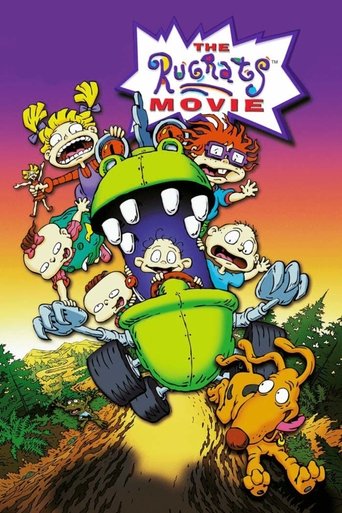
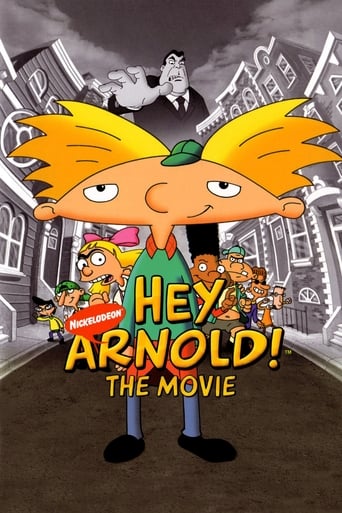
The cartoons of Nickelodeon hold four more films of the shelf: The SpongeBob Movie: Sponge Out of Water, of 2015, which brings the sponge to the surface in a mix of animation and live action; The Rugrats Movie, of 1998, the babies lost in the woods with the new brother of Tommy; Jimmy Neutron: Boy Genius, of 2001, by John A. Davis, which grew from a short pilot shown on Nickelodeon and led to the series, and Hey Arnold! The Movie, of 2002, the boy with a head like a football who fights to save his neighbourhood. Disney gives the shelf Phineas and Ferb the Movie: Across the 2nd Dimension, of 2011, a film made for Disney Channel, and Recess: School's Out, of 2001, the children of the playground who save their summer.
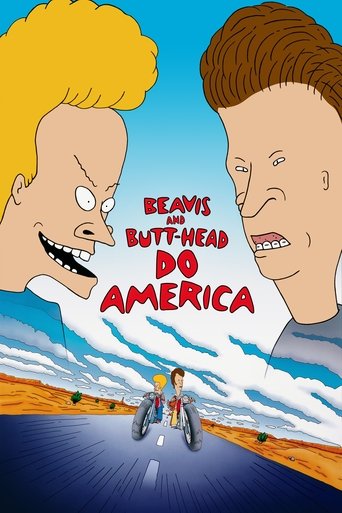
The cartoons for adults and the classics complete the shelf. Beavis and Butt-Head Do America, of 1996, by Mike Judge, sends the two teenagers of MTV across the United States in search of their stolen television, with the voices of Bruce Willis and Demi Moore; The Bob's Burgers Movie, of 2022, the newest film of the shelf, opens a sinkhole in front of the restaurant of the Belcher family. Mr. Peabody & Sherman, of 2014, by Rob Minkoff, brings back the genius dog and his boy of the segments of The Rocky and Bullwinkle Show, with their time machine, and Shaun the Sheep Movie, of 2015, by Mark Burton and Richard Starzak, takes the sheep of Aardman, first seen in a Wallace and Gromit short and then in his own series, to the big city to find their farmer, rated 7.0, a film told almost entirely in pictures, with barely a word spoken. The guide Cartoons follows the shelf.
Action and science fiction
The second family, Action and science fiction, holds the spies and missions, the cops, heroes and westerns, the science fiction series and the anime series. It is the most voted family of the guide, with about 233,200 votes, and the best rated, with an average of 7.0, thanks to the anime films. The guide Action and science fiction sums up the family.
Spies and missions
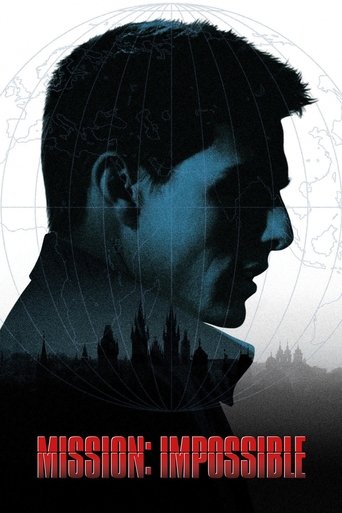
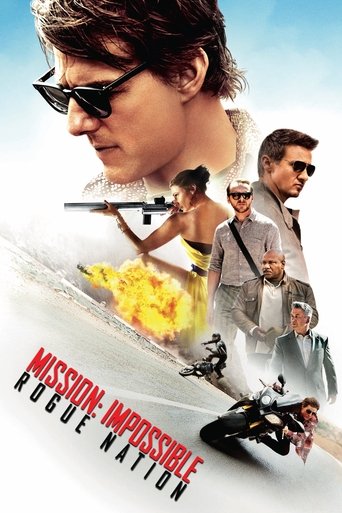
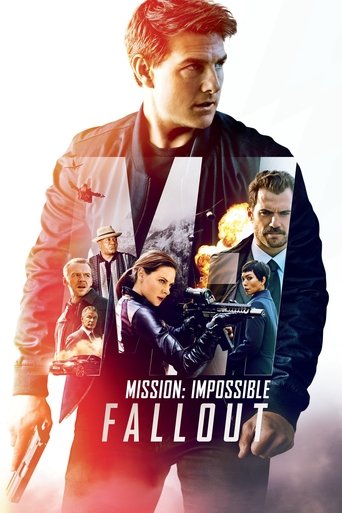
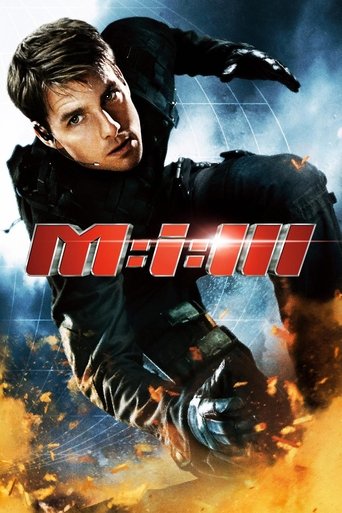
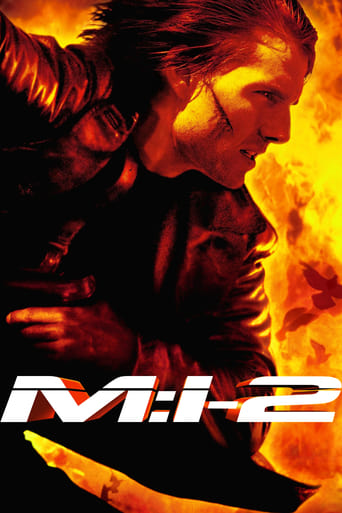
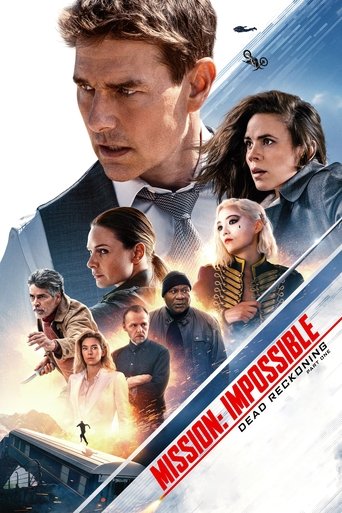
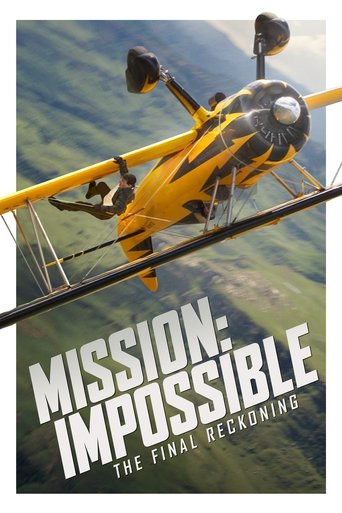
The shelf Spies and missions holds thirteen films from 1996 to 2025, and eight of them are the missions of Ethan Hunt. Mission: Impossible was a series of CBS from 1966 to 1973, created by Bruce Geller, in which a team of agents received each week a recorded message that destroyed itself after five seconds. In 1996 Brian De Palma made Mission: Impossible with Tom Cruise as a new hero, Ethan Hunt, and Jon Voight as Jim Phelps, the leader of the series; the film has about 10,400 votes. John Woo directed Mission: Impossible II, of 2000; J.J. Abrams Mission: Impossible III, of 2006, with Philip Seymour Hoffman as the villain; Brad Bird Ghost Protocol, of 2011, the most voted of the shelf, with about 11,100 votes, with the climb of Tom Cruise up the Burj Khalifa of Dubai, and Christopher McQuarrie the last four, Rogue Nation, of 2015, Fallout, of 2018, the best rated of the shelf at 7.5, level with Dead Reckoning Part One, of 2023, and The Final Reckoning, of 2025, the newest film of the shelf and, at 170 minutes, its longest.
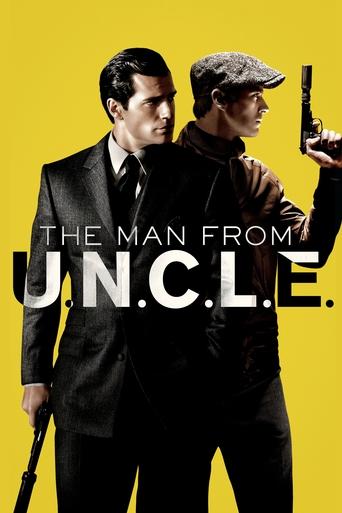
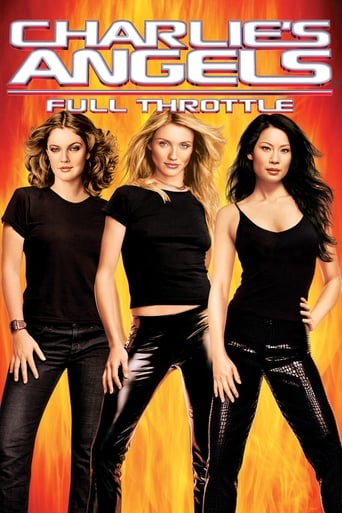
Ving Rhames is the only actor besides Tom Cruise who appears in all eight films, as the hacker Luther Stickell, and Simon Pegg joins them in six, from the third film on, as the technician Benji Dunn; he also plays the engineer Scotty in the three Star Trek films of the shelf of science fiction. The other spies of the shelf come from the 1960s and 1970s too. The Man from U.N.C.L.E., of 2015, by Guy Ritchie, with Henry Cavill as the American agent Napoleon Solo and Armie Hammer as the Russian Illya Kuryakin, is rated 7.1; Charlie's Angels came to the cinema three times, in 2000 and in 2003, by McG, with Cameron Diaz, Drew Barrymore and Lucy Liu, and in 2019, by Elizabeth Banks, with Kristen Stewart, and Get Smart, of 2008, by Peter Segal, with Steve Carell as Maxwell Smart, the clumsy agent of the parody of Mel Brooks and Buck Henry, and Anne Hathaway as Agent 99, closes the shelf. The guide The spy films follows the shelf.
Cops, heroes and westerns
The shelf Cops, heroes and westerns holds thirteen films from 1987 to 2023 made from the police series, the action series and the westerns of television, and it is the second most voted shelf of the guide, with about 81,400 votes, after the spies. Its most voted film is also the most voted of the whole guide: 21 Jump Street, of 2012, by Phil Lord and Christopher Miller, with Jonah Hill and Channing Tatum as two young police officers sent undercover to a high school, a comedy made from the drama of FOX of 1987 that made Johnny Depp a star, with about 11,400 votes; Depp returns for a scene. Its sequel 22 Jump Street, of 2014, by the same directors, sends them to college.
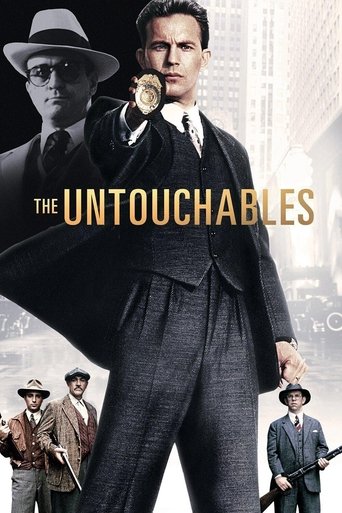
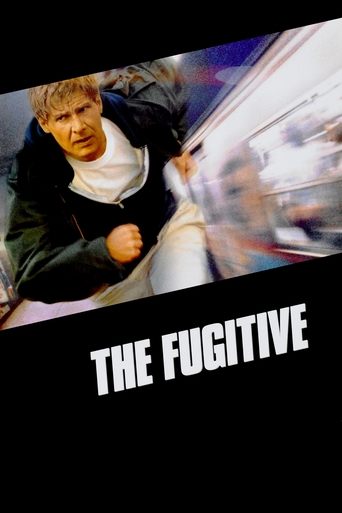
The best rated film of the shelf is The Untouchables, of 1987, by Brian De Palma, with Kevin Costner as Eliot Ness, the agent of the Prohibition who brings down Al Capone, played by Robert De Niro, and Sean Connery as the old Irish policeman Jim Malone, a role that won him the Academy Award, rated 7.8, made from the series of ABC of 1959. The Fugitive, of 1993, by Andrew Davis, made from the series of ABC of 1963, with Harrison Ford as Dr. Richard Kimble, wrongly convicted of the murder of his wife, and Tommy Lee Jones as the marshal who hunts him, also won an Academy Award, for Jones, and is rated 7.5.
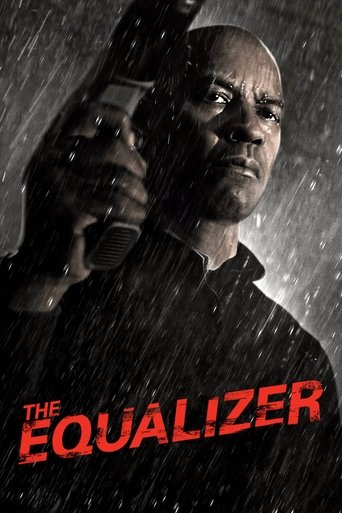
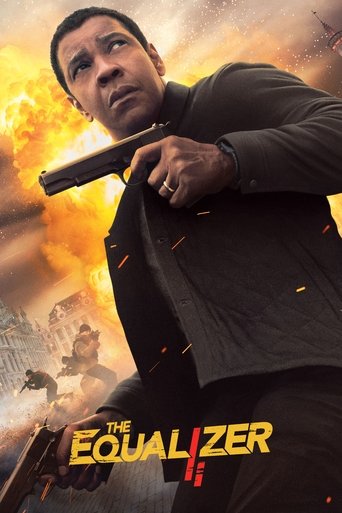
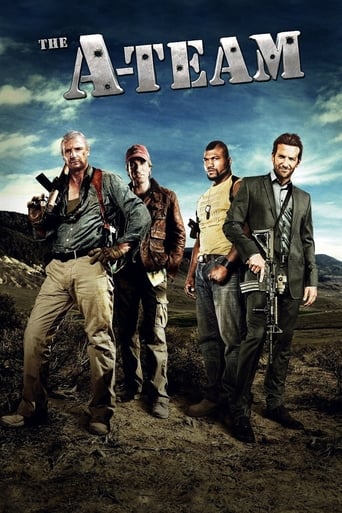
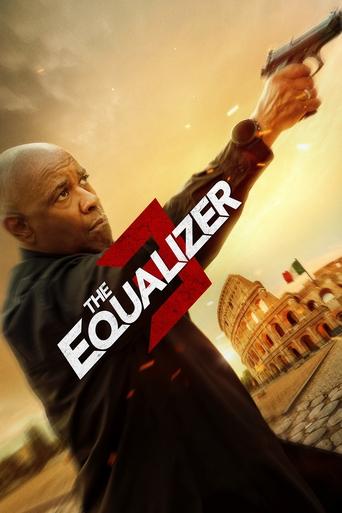
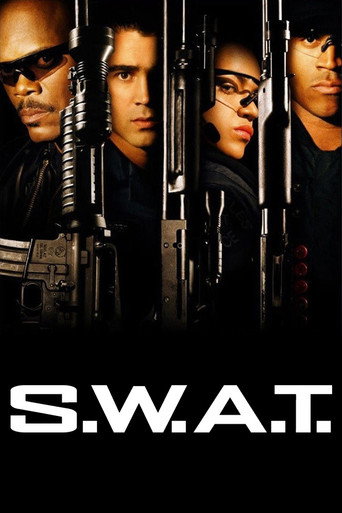
Denzel Washington plays Robert McCall, the retired agent who helps the weak, in the three films of The Equalizer, of 2014, 2018 and 2023, all directed by Antoine Fuqua, from the series of CBS of 1985 with Edward Woodward; the first is the second most voted of the shelf, with about 10,300 votes, and the first and third share a 7.3. The A-Team, of 2010, by Joe Carnahan, with Liam Neeson as Hannibal and Bradley Cooper as Face; Baywatch, of 2017, with Dwayne Johnson and Zac Efron as lifeguards; Starsky & Hutch, of 2004, by Todd Phillips, with Ben Stiller and Owen Wilson, and S.W.A.T., of 2003, with Samuel L. Jackson and Colin Farrell, complete the cops and heroes. The western closes the shelf: The Lone Ranger, of 2013, by Gore Verbinski, with Armie Hammer as the masked ranger and Johnny Depp as Tonto, at 149 minutes the longest film of the shelf, and Wild Wild West, of 1999, by Barry Sonnenfeld, with Will Smith and Kevin Kline as the two secret agents of President Grant, made from the western series of CBS of 1965. The guide Cops and westerns follows the shelf.
Science fiction series
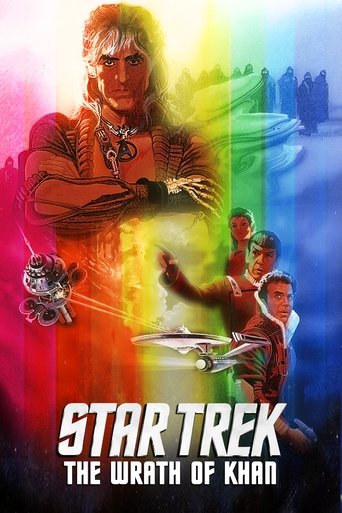
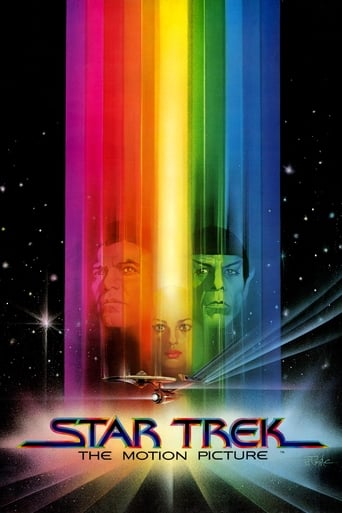
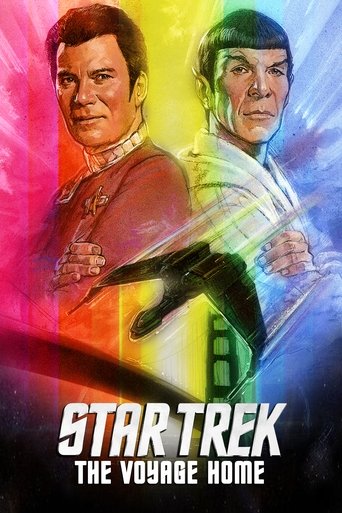
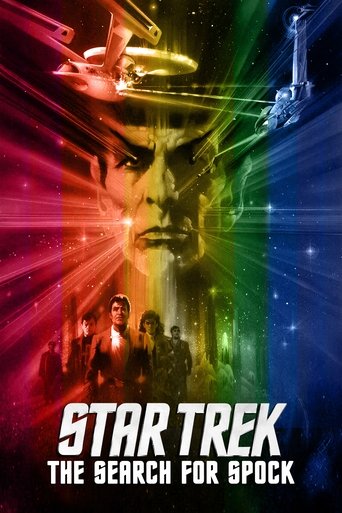
The shelf Science fiction series holds thirteen films from 1967 to 2016, and eight of them belong to Star Trek, the series of NBC created by Gene Roddenberry in 1966 and cancelled after three seasons, which grew into one of the great franchises of the cinema. The first crew of the Enterprise, with William Shatner as Captain Kirk, Leonard Nimoy as Spock and DeForest Kelley as Dr. McCoy, flew five films of the guide: Star Trek: The Motion Picture, of 1979, by Robert Wise; Star Trek II: The Wrath of Khan, of 1982, by Nicholas Meyer, with Ricardo Montalbán as Khan, the best rated film of the shelf, at 7.5; Star Trek III: The Search for Spock, of 1984, and Star Trek IV: The Voyage Home, of 1986, both directed by Leonard Nimoy himself, the second a comedy in which the crew travels back to the San Francisco of 1986 to find two humpback whales.
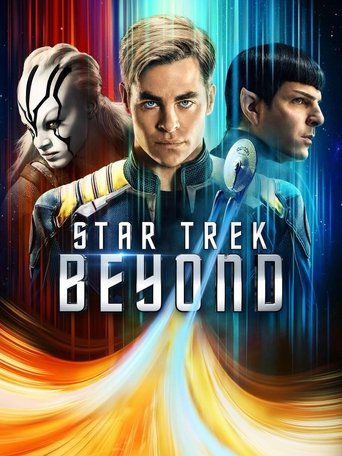
The crew of The Next Generation, led by Patrick Stewart as Captain Picard, has one film on the shelf, Star Trek: First Contact, of 1996, directed by Jonathan Frakes, who also plays Commander Riker, in which the crew fights the Borg in the year 2063. In 2009 J.J. Abrams rebooted the first crew with new actors, Chris Pine as Kirk, Zachary Quinto as Spock and Karl Urban as McCoy: Star Trek, of 2009, is the most voted film of the shelf, with about 10,800 votes, rated 7.4, level with Serenity; Star Trek Into Darkness, of 2013, brings back Khan with Benedict Cumberbatch, and Star Trek Beyond, of 2016, by Justin Lin, the newest film of the shelf, strands the crew on a distant planet. Leonard Nimoy plays the old Spock in the first two of the new films, and so appears in six films of the shelf.
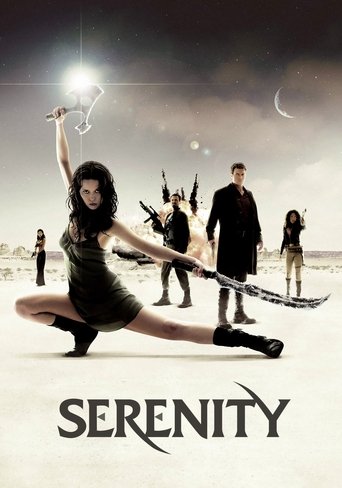
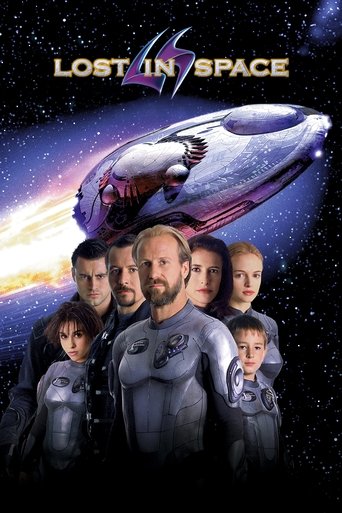
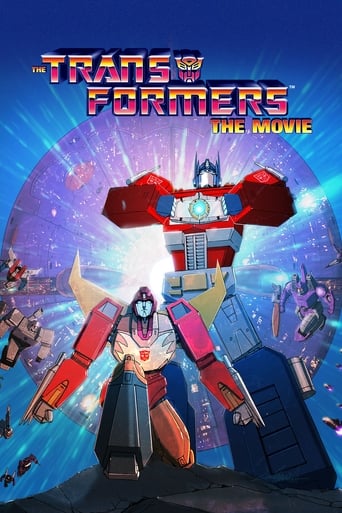
Serenity, of 2005, by Joss Whedon, closes the story of Firefly, the western in space that FOX cancelled after eleven episodes, with Nathan Fillion as Captain Mal Reynolds; its fans brought it to the cinema. The other science fiction series of the shelf are older: Lost in Space, of 1998, with William Hurt and Matt LeBlanc, from the series of Irwin Allen of 1965; Thunderbirds, of 2004, the live-action film of the puppets of Gerry Anderson, directed by Jonathan Frakes, who so has two films on the shelf; The Transformers: The Movie, of 1986, the animated film of the cartoon series, with the voice of Orson Welles in his last role, rated 7.2, and Quatermass and the Pit, of 1967, by Roy Ward Baker, the oldest film of the shelf, the third Quatermass serial of Nigel Kneale for the BBC, in which an alien ship is found under the London Underground. The guide Star Trek and the stars follows the shelf.
Anime series
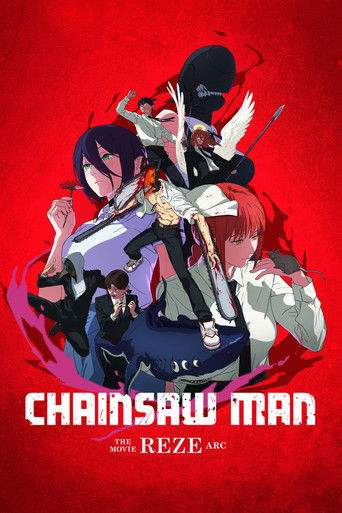
The shelf Anime series holds thirteen Japanese films from 1979 to 2025 made from the anime series of television, and it is the best rated shelf of the guide, with an average of 7.84 and five films rated 8 or more. In Japan the film of a popular series is an event of the year, and several of these films continue the story of the series directly. The most voted is the Mugen Train film of Demon Slayer, of 2020, by Haruo Sotozaki, in which Tanjiro and his friends board a night train haunted by a demon, picking up the story where the first season ends, with about 4,700 votes and an 8.2, a huge success in the cinemas of Japan in 2020. The best rated film of the shelf, and the second best of the whole guide, is Chainsaw Man - The Movie: Reze Arc, of 2025, the newest film of the shelf, which continues the series of 2022 with the story of a girl named Reze, rated 8.5.
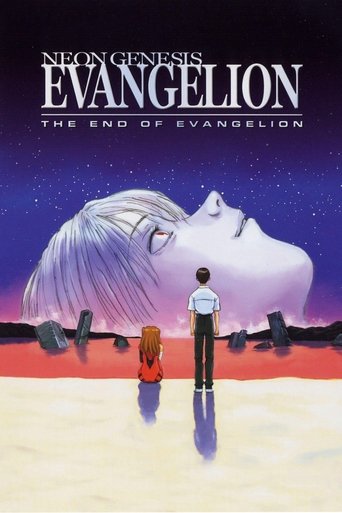
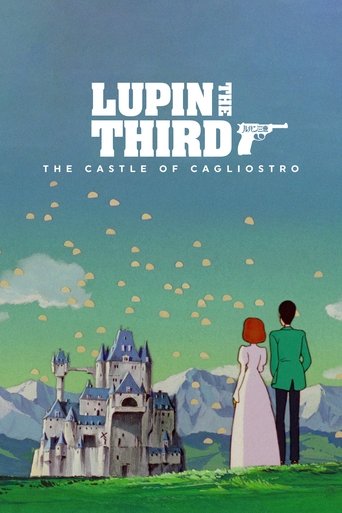
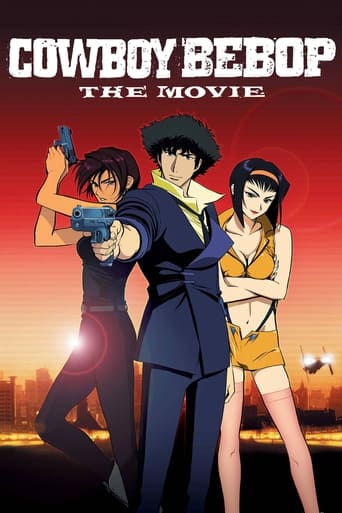
The classics of the shelf come next. Neon Genesis Evangelion: The End of Evangelion, of 1997, gives another ending to the series of Hideaki Anno of 1995, rated 8.3; Cowboy Bebop: The Movie, of 2001, by Shinichiro Watanabe, the director of the series, sends the bounty hunters of the Bebop after a terrorist on Mars, rated 7.7, and The Castle of Cagliostro, of 1979, the oldest film of the shelf, was the first feature film of Hayao Miyazaki, who had directed episodes of the first series of Lupin III, the gentleman thief, rated 7.5. Sailor Moon R: The Movie, of 1993, by Kunihiko Ikuhara, rated 7.8, is at 61 minutes the shortest film of the guide.
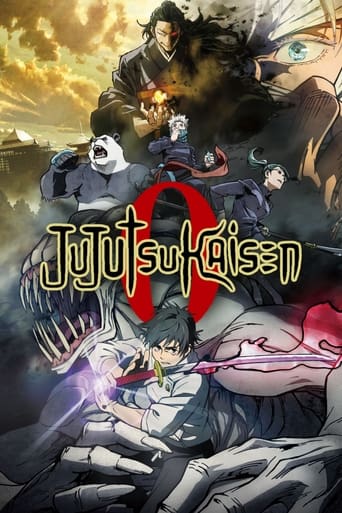
The anime of the new century complete the shelf. Jujutsu Kaisen 0, of 2021, tells the story that comes before the series, with Yuta Okkotsu, rated 8.1; Dragon Ball Super: Broly, of 2018, sets Goku and Vegeta against a legendary Saiyan, rated 8.0; My Hero Academia: Two Heroes, of 2018, takes Deku and his teacher All Might to a floating island of science; The First Slam Dunk, of 2022, was directed by Takehiko Inoue, the author of the manga, and tells one basketball match from the point of view of the point guard Ryota Miyagi; HAIKYU!! The Dumpster Battle, of 2024, sets the volleyball teams of Karasuno and Nekoma against each other; One Piece Film Red, of 2022, brings Luffy to the concert of a singer named Uta, and SPY x FAMILY CODE: White, of 2023, sends the false family of the spy Loid Forger on a trip for a school prize. The guide Anime on the big screen follows the shelf.
Family, drama and the strange
The third family, Family, drama and the strange, holds children's television, the teleplays of the golden age, the drama series and the strange and the spooky. Its 52 films carry about 79,000 votes, with an average rating of 6.72, and it holds both the oldest and the newest films of the guide, Marty, of 1955, and Peaky Blinders: The Immortal Man, of 2026. The guide Family, drama and the strange sums up the family.
Children's television
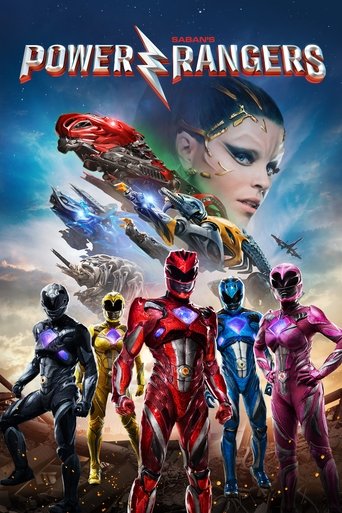
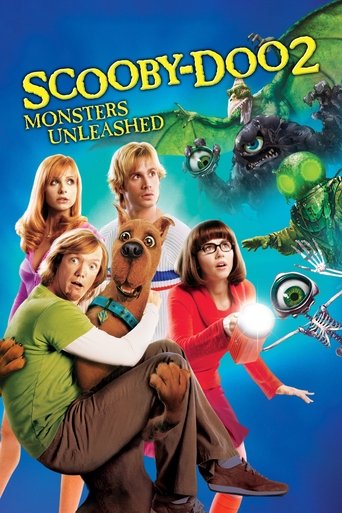
The shelf Children's television holds thirteen films from 1995 to 2021 made from the series that children watched after school or on Saturday mornings. Its most voted film is Scooby-Doo, of 2002, by Raja Gosnell, written by James Gunn, with Matthew Lillard as Shaggy, Freddie Prinze Jr. as Fred and Sarah Michelle Gellar as Daphne, the gang of Mystery Inc. of the cartoon of 1969 on a haunted island resort, with about 4,900 votes; its sequel Scooby-Doo 2: Monsters Unleashed, of 2004, by the same director, brings back the monsters of their old cases. The Power Rangers appear twice: in Mighty Morphin Power Rangers: The Movie, of 1995, with the cast of the series of 1993, itself made from the Super Sentai of Japanese television, and in Power Rangers, of 2017, by Dean Israelite, the second most voted of the shelf.
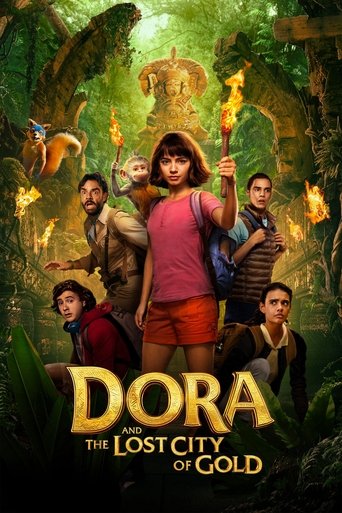
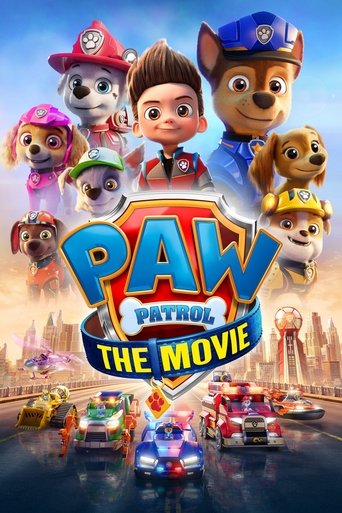
The best rated film of the shelf is PAW Patrol: The Movie, of 2021, by Cal Brunker, the pups of the Canadian series in Adventure City, rated 7.3, followed by Pokémon: The First Movie, of 1998, the only Japanese film of the shelf, in which Ash and Pikachu face Mewtwo, at 7.0. The Muppets, of 2011, by James Bobin, with Jason Segel and Amy Adams, in which a fan reunites the Muppets to save their old theatre, won the Academy Award for best song; the same director made Dora and the Lost City of Gold, of 2019, with Isabela Merced as the explorer of the series of Nickelodeon, now a teenager in the jungle of Peru.
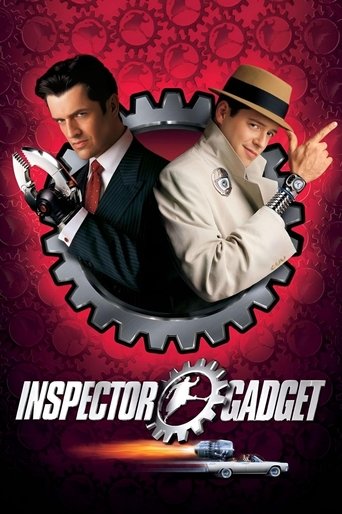
Disney Channel gives the shelf two of its stars: The Lizzie McGuire Movie, of 2003, in which Hilary Duff is mistaken for an Italian pop star in Rome, and Hannah Montana: The Movie, of 2009, with Miley Cyrus, who goes home to Tennessee. The cartoons of the 1960s and 1980s became live action in Inspector Gadget, of 1999, with Matthew Broderick; in Yogi Bear, of 2010, with the voices of Dan Aykroyd and Justin Timberlake, and in The Adventures of Rocky & Bullwinkle, of 2000, with Robert De Niro as Fearless Leader, which with a 4.3 is the lowest rated film of the guide. The guide Children's TV follows the shelf.
Teleplays of the golden age
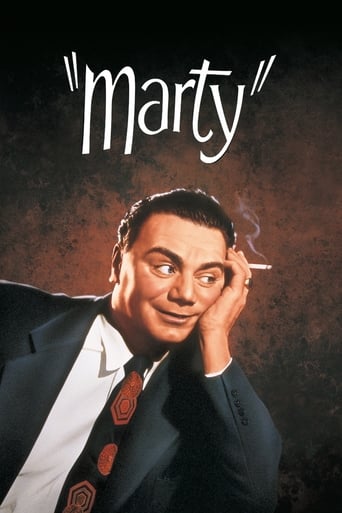
The shelf Teleplays of the golden age holds thirteen films from 1955 to 1973 made from the live dramas of American television of the 1950s, the years when the anthology series of NBC, CBS and ABC broadcast a new play each week, performed live in front of the cameras. It is the second best rated shelf of the guide, after the anime, with an average of 7.34, and it holds the best rated and oldest films of the guide. 12 Angry Men, of 1957, the first feature film of Sidney Lumet, with Henry Fonda as the juror who doubts the guilt of a young man accused of murder, was written by Reginald Rose for Studio One in 1954; it is the most voted film of the shelf, with about 10,500 votes, and the best rated of the guide, with an 8.6. Marty, of 1955, by Delbert Mann, who had directed the live version, with Ernest Borgnine as a lonely butcher of the Bronx, won the Palme d'Or at Cannes and the Academy Awards for best picture and best actor.
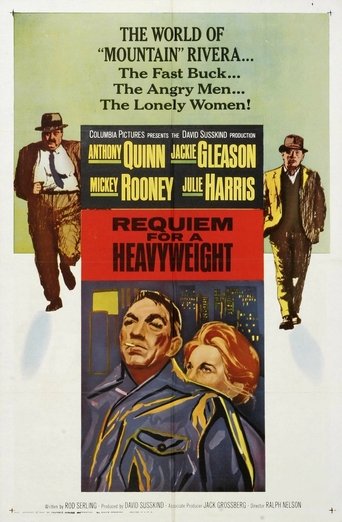
Paddy Chayefsky, the author of Marty, wrote two more plays of the shelf: The Catered Affair, of 1956, by Richard Brooks, with Bette Davis and Ernest Borgnine as the parents of a bride of the Bronx, and Middle of the Night, of 1959, again by Delbert Mann, with Fredric March as a widower in love with a much younger woman, played by Kim Novak. Rod Serling, before The Twilight Zone, wrote two: Patterns, of 1956, by Fielder Cook, the power struggle in the offices of a corporation of New York, and Requiem for a Heavyweight, of 1962, by Ralph Nelson, who had directed the live version, with Anthony Quinn as a boxer at the end of his career and Jackie Gleason as his manager.
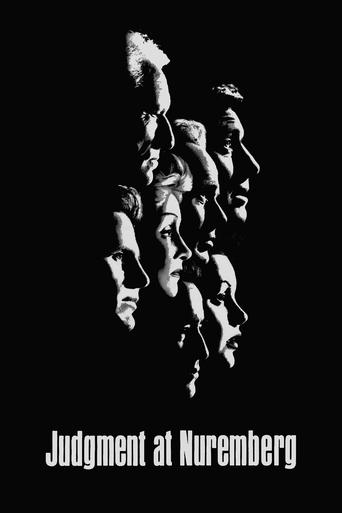
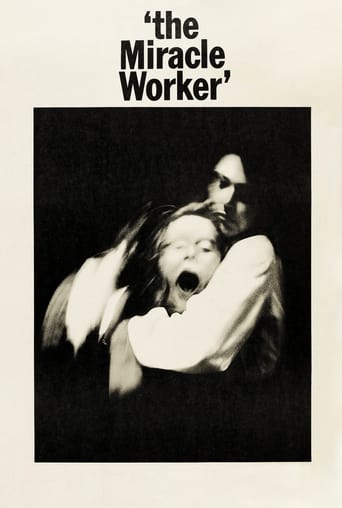
Playhouse 90, the anthology of CBS, gave the shelf three more films. Judgment at Nuremberg, of 1961, by Stanley Kramer, the trial of four German judges in 1948, with Spencer Tracy, Burt Lancaster, Marlene Dietrich and Maximilian Schell, who had played the same role on television and won the Academy Award, is at 191 minutes the longest film of the guide, rated 8.0. The Miracle Worker, of 1962, by Arthur Penn, who had directed the live play, with Anne Bancroft as the teacher Anne Sullivan and Patty Duke as the young Helen Keller, both winners of the Academy Award, is rated 7.9, and Days of Wine and Roses, by Blake Edwards, with Jack Lemmon and Lee Remick as a couple sinking into alcohol, is rated 7.5.
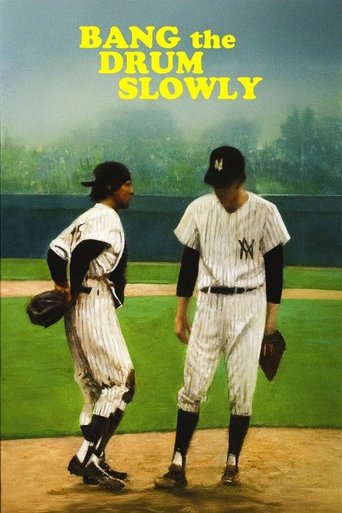
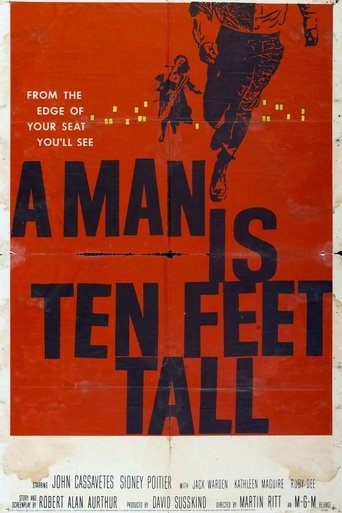
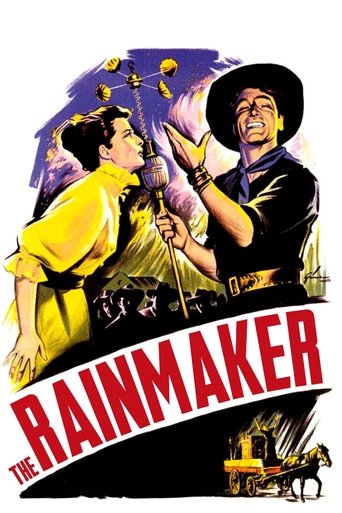
The other plays of the shelf came from the Philco Television Playhouse and The United States Steel Hour. Edge of the City, of 1957, by Martin Ritt, with John Cassavetes and Sidney Poitier as two dockers of New York, was first a play called A Man Is Ten Feet Tall; The Rainmaker, of 1956, with Burt Lancaster as a con man who promises rain to a farm of the drought and Katharine Hepburn as the daughter who falls for him; the comedy of 1958 by Mervyn LeRoy with Andy Griffith as a country boy drafted into the Air Force, a role he had played on television and on Broadway, and Bang the Drum Slowly, of 1973, the newest film of the shelf, with Michael Moriarty as a star pitcher and Robert De Niro as his dying catcher, first played on television in 1956 by Paul Newman. The guide The golden age teleplays follows the shelf.
Drama series
The shelf Drama series holds thirteen films from 2000 to 2026 made from the drama series of television, as remakes, as continuations or as farewells. Its most voted film is El Camino: A Breaking Bad Movie, of 2019, by Vince Gilligan, the creator of the series, in which Aaron Paul as Jesse Pinkman escapes from the compound where he was held at the end of Breaking Bad, with about 5,900 votes. The best rated is Sherlock: The Abominable Bride, of 2016, the special of the BBC that sets Benedict Cumberbatch and Martin Freeman in the London of 1895 and was shown in cinemas, rated 7.8.
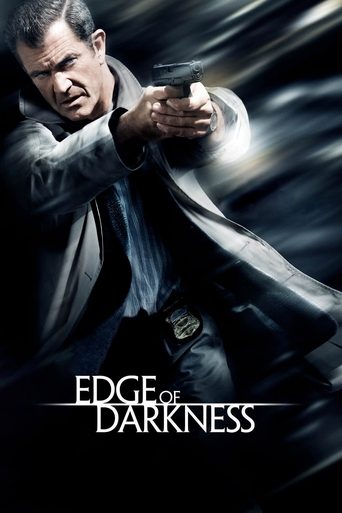
Three films of the shelf remade British serials for Hollywood. Traffic, of 2000, by Steven Soderbergh, with Michael Douglas, Benicio del Toro and Catherine Zeta-Jones, moved the drug trade of the miniseries Traffik of Channel 4 of 1989 to the border of Mexico and won four Academy Awards; at 147 minutes it is the longest film of the shelf. State of Play, of 2009, by Kevin Macdonald, with Russell Crowe as a journalist of Washington, comes from the serial of the BBC of 2003, and Edge of Darkness, of 2010, with Mel Gibson as a detective of Boston who investigates the murder of his daughter, was directed by Martin Campbell, who had also directed the serial of the BBC of 1985.
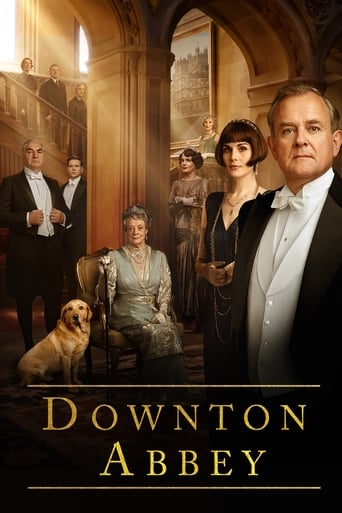
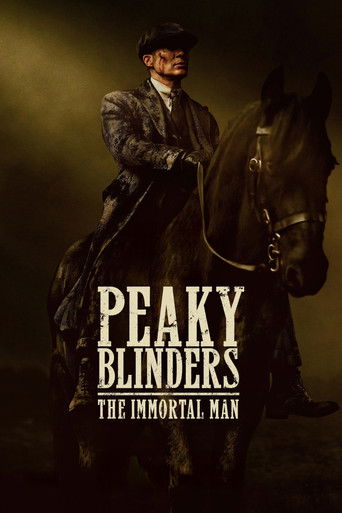
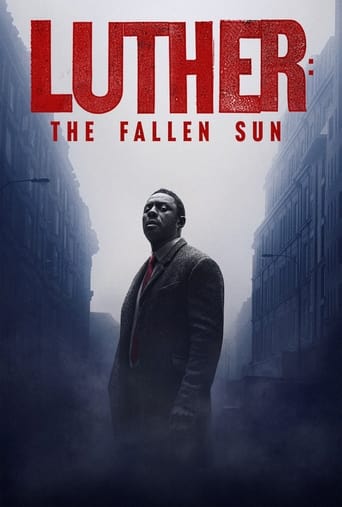
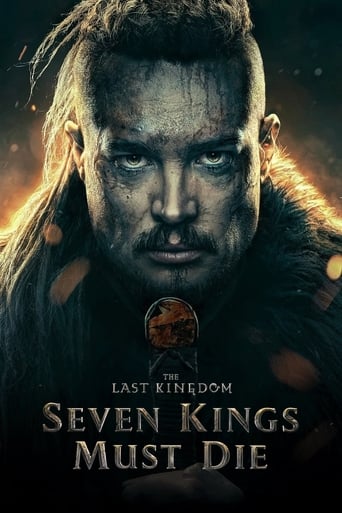
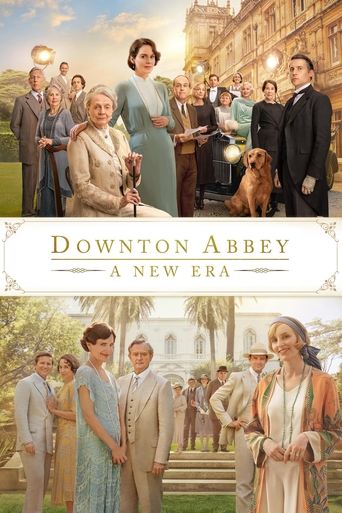
The other films continue their series. Downton Abbey, of 2019, by Michael Engler, brings the king and queen to the great house in 1927, and Downton Abbey: A New Era, of 2022, takes the family to a villa in the south of France, both rated 7.2; Peaky Blinders: The Immortal Man, of 2026, by Tom Harper, the newest film of the guide, brings Cillian Murphy back as Thomas Shelby in the Birmingham of the Second World War, with Barry Keoghan, also rated 7.2, as is The Last Kingdom: Seven Kings Must Die, of 2023, with Alexander Dreymon as Uhtred. Veronica Mars, of 2014, by Rob Thomas, the creator of the series, was paid for by the fans through Kickstarter, with Kristen Bell back in Neptune; Luther: The Fallen Sun, of 2023, brings Idris Elba back as the detective of London against a killer played by Andy Serkis; The Many Saints of Newark, of 2021, by Alan Taylor, tells the youth of Tony Soprano, played by Michael Gandolfini, the son of James Gandolfini, and Deadwood: The Movie, of 2019, brings the town of the western of HBO together again ten years later, in 1889. The guide Drama series follows the shelf.
The strange and the spooky
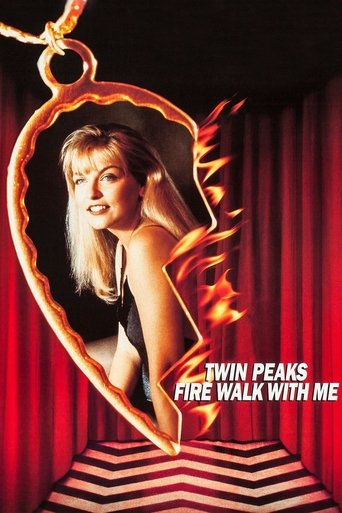
The shelf The strange and the spooky holds thirteen films from 1955 to 2012 made from the series of horror, mystery and the supernatural. Its most voted film is Dark Shadows, of 2012, by Tim Burton, with Johnny Depp as the vampire Barnabas Collins, freed from his coffin in 1972, made from the gothic soap opera of ABC of 1966, with about 7,800 votes; Dan Curtis, the creator of the soap, had made the first film of it himself, House of Dark Shadows, of 1970, with Jonathan Frid, the Barnabas of the series. The best rated is Twin Peaks: Fire Walk with Me, of 1992, by David Lynch, the last seven days of Laura Palmer, played by Sheryl Lee, before the murder that opens the series, rated 7.4.
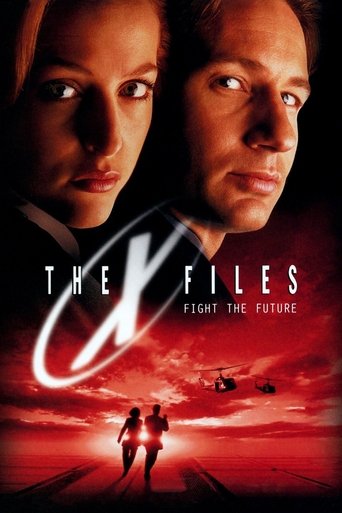
The X-Files came to the cinema twice, both times with David Duchovny and Gillian Anderson as the agents Mulder and Scully: The X-Files, of 1998, by Rob Bowman, between the fifth and sixth seasons, and The X-Files: I Want to Believe, of 2008, by Chris Carter, the creator of the series. Twilight Zone: The Movie, of 1983, made from the series of Rod Serling, has four stories directed by John Landis, Steven Spielberg, Joe Dante and George Miller. The anthologies of horror of the 1980s and 1990s add three more: Tales from the Crypt: Demon Knight, of 1995, by Ernest R. Dickerson, with Billy Zane as a demon who besieges a boarding house, rated 6.9; Bordello of Blood, of 1996, from the same series, and Tales from the Darkside: The Movie, of 1990, with Debbie Harry as a witch who plans to cook a boy.
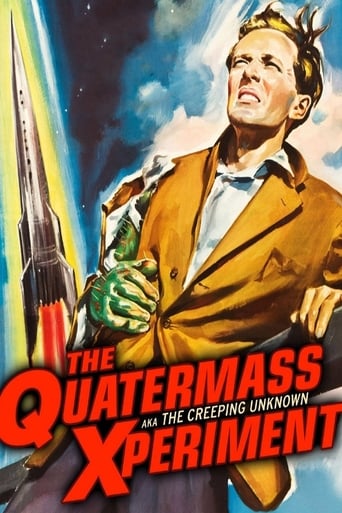
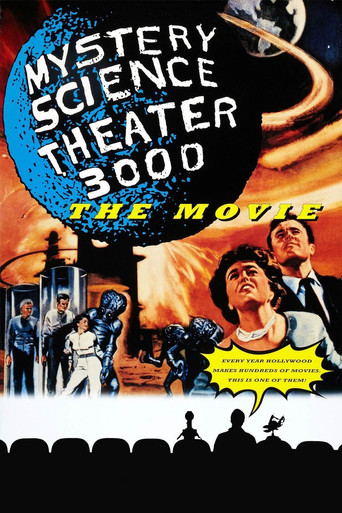
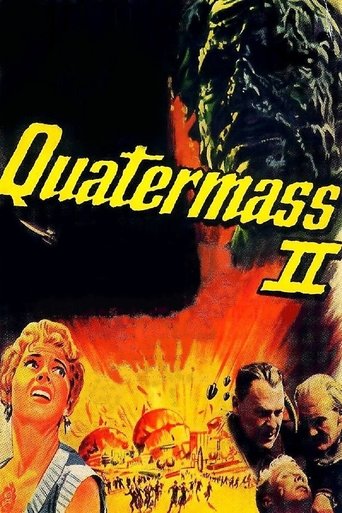
The oldest films of the shelf come from the BBC: The Quatermass Xperiment, of 1955, by Val Guest, the first film of the serials of Nigel Kneale, in which a rocket returns to Earth with only one of its three astronauts, and Quatermass 2, of 1957, by the same director, both with Brian Donlevy as Professor Quatermass. Munster, Go Home!, of 1966, sent Fred Gwynne and Yvonne De Carlo as Herman and Lily to an English manor, and Mystery Science Theater 3000: The Movie, of 1996, by Jim Mallon, has the man and the two robots of the series mock the science fiction film This Island Earth of 1955. The guide The strange follows the shelf.
The stars of the crossing
Tom Cruise is the great star of the guide, with the eight Mission: Impossible films, and Ving Rhames and Simon Pegg follow him through the series. The old crew of Star Trek comes next: Leonard Nimoy appears in six films, William Shatner, DeForest Kelley, James Doohan and Walter Koenig in four each, and the new crew of Chris Pine, Zachary Quinto and Karl Urban in three. Dan Aykroyd appears in five films on three shelves, the two Blues Brothers films and Coneheads among the sketches, the prologue of Twilight Zone: The Movie and the voice of Yogi Bear; Sacha Baron Cohen plays Ali G, Borat and Brüno, three characters of the same show; Denzel Washington is Robert McCall three times, and Graham Chapman is King Arthur and Brian among the three films of Monty Python. Ernest Borgnine links two teleplays of Paddy Chayefsky, Marty and The Catered Affair, and Armie Hammer links the spy of The Man from U.N.C.L.E. to the ranger of The Lone Ranger. The guide The stars lists them all.
The directors
Christopher McQuarrie directed four films of the guide, the last four missions of Ethan Hunt. Three directors have three films each: J.J. Abrams, with Mission: Impossible III and the first two Star Trek films of the new crew; Antoine Fuqua, with the three films of The Equalizer, and Barry Sonnenfeld, with the two films of the Addams Family and Wild Wild West. John Landis made the two Blues Brothers films and the prologue and first segment of Twilight Zone: The Movie, and Terry Jones directed or co-directed the three films of Monty Python. Brian De Palma made two great films of the guide from two old series, Mission: Impossible and The Untouchables; Leonard Nimoy directed two Star Trek films, Jonathan Frakes two more films of science fiction, First Contact and Thunderbirds, and Delbert Mann two teleplays of Chayefsky. Several of the films were made by the creators of their series: Vince Gilligan with El Camino, Rob Thomas with Veronica Mars, Chris Carter with the second X-Files film, Stephen Hillenburg with the first SpongeBob film and Mike Judge with Beavis and Butt-Head. The guide The directors follows them.
TV-Video in figures
The 156 films of the guide carry about 405,800 votes on TMDB, with an average rating of 6.66; seven of them reach 8 or more, from 12 Angry Men at 8.6 to Dragon Ball Super: Broly and Judgment at Nuremberg at 8.0, and the collection Rated 7 or more gathers the 64 films rated 7 or more, best first. The most voted are 21 Jump Street, with about 11,400 votes, Ghost Protocol, the Star Trek of 2009, 12 Angry Men, the first Mission: Impossible and The Equalizer of 2014. Together the films last about 16,400 minutes, more than 272 hours; the longest is Judgment at Nuremberg, with 191 minutes, and the shortest is Sailor Moon R: The Movie, with 61.
By decade, the guide holds ten films of the 1950s, six of the 1960s, nine of the 1970s, eight of the 1980s, 32 of the 1990s, 32 of the 2000s, 41 of the 2010s and eighteen of the 2020s; the collection Before 1980 gathers the 25 oldest, from Marty to Star Trek: The Motion Picture, and the collection Since 2010 the 59 newest. By first production country, 107 films are American, 24 British and fourteen Japanese, and 142 are in English and fourteen in Japanese. The guide The figures gathers every number.
Where to begin
For a first evening in front of the two screens, take one film from each family: Monty Python and the Holy Grail or The Simpsons Movie for comedy, Mission: Impossible or Star Trek II: The Wrath of Khan for action and science fiction, and 12 Angry Men or Twin Peaks: Fire Walk with Me for the third family. Then follow your mood: The Fugitive and The Untouchables for the classics of the 1990s and 1980s, The Castle of Cagliostro and Cowboy Bebop: The Movie for anime, Marty and The Miracle Worker for the golden age of live television, and Shaun the Sheep Movie and The Muppet Movie for the whole family. The guide Start with TV-Video gives a first route.
How to use TV-Video
The home page opens with an introduction on a white card with the rounded corners of a picture tube and the board The channel guide, with the twelve shelves numbered from CH 01 to CH 12 in three columns, one per family, with a red, blue or green channel number. Each line shows the family, the shelf and its number of films, and leads to its row. Each row sits on a white panel under a black rule, with twelve posters and the button Tune in, which opens the full shelf. The menu in the header leads to the three families, and the search box finds any film by its title; the guide Search tips explains how.
Each poster shows the year on a black tag, the TMDB rating on a yellow tag and, on a black band edged in red at the bottom, the tag of its shelf, for example Sitcom or Teleplay; under the poster come the title, the first genre and the running time. The film page has the English synopsis, the cast, the director and the genres. The Watch now button opens the film on JustWatch, which shows the services that offer it in your country, and the button Add to My List keeps it in My list, stored in your browser. The guide How to use TV-Video explains each part, and the guide The Watch now button explains how JustWatch works.
Questions
What is TV-Video
An English guide to 156 films made from television series, on twelve shelves in three families.
How were the films chosen
By hand from TMDB, among films made from a television series or a teleplay, or that continue a series.
Which film has the most votes
21 Jump Street, of 2012, with about 11,400 votes.
Which film is the best rated
12 Angry Men, of 1957, with an 8.6.
Which is the oldest film
Marty, of 1955, from a teleplay of Paddy Chayefsky.
Which is the newest film
Peaky Blinders: The Immortal Man, of 2026.
Which is the longest film
Judgment at Nuremberg, with 191 minutes.
Which actor appears most often
Tom Cruise, in the eight Mission: Impossible films.
Where can I watch the films
The Watch now button opens each film on JustWatch, which shows the services that offer it in your country.
Where is My list kept
In your browser, on the device where you create it.
